



Registered NDIS provider

People at the centre

Who We Support

We discuss support for adults with disability, young people moving into adult life and people with psychosocial or complex support needs. We also welcome culturally diverse communities, families and carers. Suitability and availability are checked individually.

Who We Support

Who we support: people first, not labels

Who we support at Bright Heart Co includes adults with disability, young people moving into adult life, people with psychosocial or complex support needs, culturally diverse communities, and their families and carers. Explore disability support in Brisbane and find the situation that sounds most like yours. You can also explore our supports or get support to discuss suitability and availability.

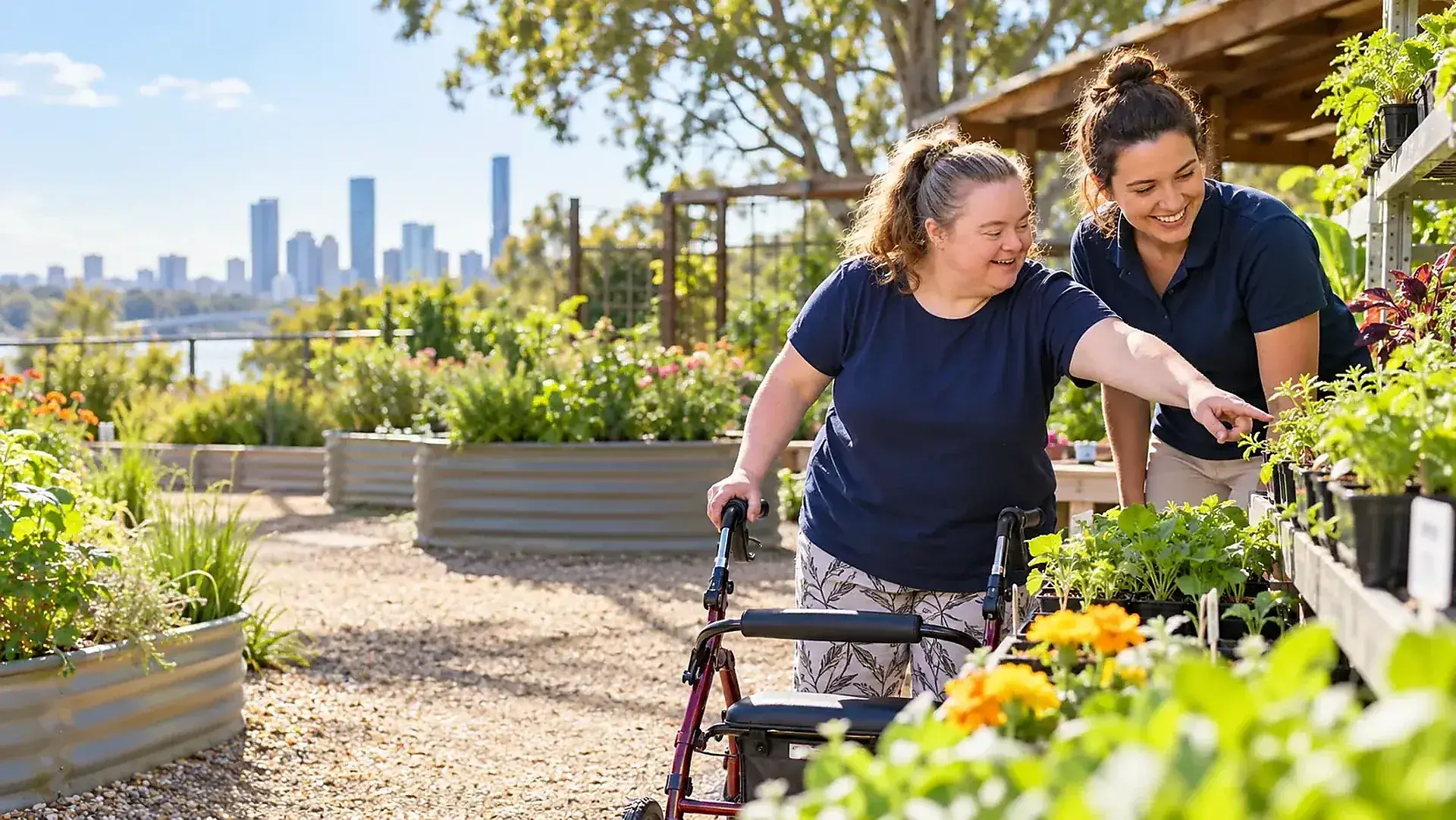
Who we support — a participant and support worker talking together in a bright living room

At a glance

  • Adults & young people
  • Psychosocial & complex needs
  • Families, carers & communities

People at the centre

Disability support in Brisbane that recognises the whole person

People may share a diagnosis, life stage or funding category and still want very different things from support. Use these pathways as a starting point, then bring the conversation back to the individual’s goals, preferences, culture, communication, relationships and daily life.

Starts with the person, not the label Families involved the way you choose Bring someone you trust to help translate
  • Your goalsWe listen and understand what matters to you.
  • Your choicesYou stay in control of the support you receive.
  • Support designed around youHelping you live a more independent and fulfilling life.

Speak with a member of our team todayMon–Fri: 9:00am–5:00pm · Request a callback →

0433 723 511

Who We Support

Explore who we support across six support contexts

These pathways describe common contexts, but no participant is reduced to a category. We look at the whole context: strengths, routines, communication, culture, life stage, relationships, goals, risks and the environments where support is needed.

Not sure which pathway fits? Please let us know about the person, the support context and what you are hoping to achieve. Speak with our team →

How Support Feels

Consistency matters, but flexibility matters too

Support can be more useful when it recognises changing energy, confidence, stress and capacity without removing choice or control.

01 Predictability

Predictability

Clear communication, agreed routines and reliable expectations can reduce unnecessary uncertainty.

02 Flexibility

Flexibility

The approach may need to adapt to changing capacity while keeping boundaries and safety clear.

03 Respect

Respect

Support should avoid judgement, preserve dignity and recognise the person’s strengths and preferences.

04 Identity

Room for identity

Culture, language, family, faith, community and personal identity can shape what respectful support looks like. We ask rather than assume.

Complex Support

More complexity requires more clarity, not less

Where needs, risks or multiple services are involved, good communication and consistent processes become especially important. Complexity should never make the participant disappear from the decision-making process.

01

Understand risks

Know what may create harm, what safeguards are required and what should happen if concerns arise.

02

Clarify roles

Define what Bright Heart Co is responsible for and how we communicate with other supports where consent permits.

03

Build consistency

Use clear routines, documentation and handovers so support does not depend on guesswork.

Questions & Answers

Questions about who we support

Find clear answers about who we support and common questions, or contact the team to discuss your own situation. More answers → For eligibility and funded supports, read the official NDIS overview.

Do you support people with different communication needs?

Yes. We can discuss communication preferences and accessibility needs, so information and support work better for you.

Can families or carers be involved?

Yes, when the participant wants them involved and appropriate consent is in place.

Does a diagnosis determine the support approach?

No. Diagnosis may be relevant context, but the practical support approach should also consider the person’s goals, routines, environment, communication and preferences.

Can support be reviewed as circumstances change?

Yes. Changes in routines, goals, living arrangements, plan circumstances or support needs can be discussed and reviewed.

Can support be adapted around communication, culture or routine?

Yes. A useful support conversation should consider the participant’s communication, routines, cultural context, relationships and practical environment rather than treating a category as the whole person.

Ready when you are

Choose your next step

Explore support contexts while keeping your own goals and preferences at the centre. Start with a question, a referral or a callback request. There is no obligation to proceed.

  • Participant choice stays central You decide who is involved and what you want to discuss.
  • Clear response pathway We aim to reply to new enquiries within one business day during office hours.
  • No obligation to decide Ask questions and understand the options before agreeing to anything.
Our Supports Flexible, person-centred NDIS supports for daily living, community and independence.
Your Rights Participant rights remain relevant before, during and after support begins.
Get Support You do not need every NDIS support detail finalised before you contact us.